
Floors Designed for Dropped Objects and Constant Traffic
Kitchen Flooring Installation in Bolivia for surfaces damaged by moisture exposure, heavy use, or structural settling
Worn kitchen flooring shows its failure through cracked tiles, separated laminate seams, or water-stained sections near sinks and dishwashers where moisture has penetrated the surface layer and reached the subfloor beneath. The installation process at Royal home Improvements in Bolivia involves removing existing flooring down to the subfloor, inspecting for moisture damage or uneven sections that would telegraph through new material, and then installing tile, hardwood, vinyl, or laminate based on the traffic level your kitchen receives and whether water exposure is concentrated in specific zones. Moisture-resistant materials are prioritized near sink bases and appliance locations where leaks occur most frequently.
Subfloor preparation includes leveling compound application where dips or humps exceed acceptable tolerances, and any rotted sections are replaced before new flooring is laid. The material selection affects installation time, with tile requiring mortar curing and grout sealing, while vinyl and laminate installations can be walked on sooner after placement.
Request an inspection to assess your current flooring condition and subfloor integrity before selecting replacement materials.
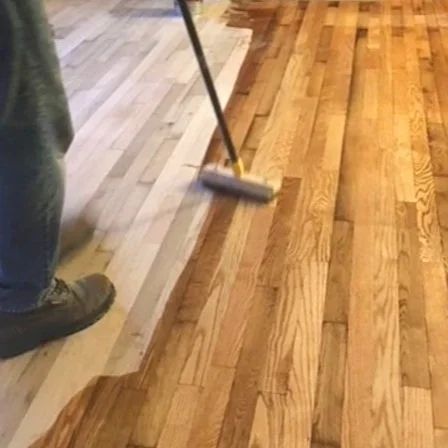
What Changes After Flooring Replacement Completes
Tile flooring provides the highest moisture resistance and handles dropped cookware without denting, though grout lines require periodic sealing to maintain stain resistance. Vinyl and laminate offer softer surfaces that reduce fatigue during extended cooking sessions, and these materials install over more subfloor irregularities than rigid tile, which requires a perfectly level base to prevent cracking.
Once the new flooring is installed, the surface sits level without the dips or raised edges that caused tripping hazards in the old material, and water no longer penetrates seams or damaged areas to reach the subfloor. The kitchen appears visually larger or smaller depending on the flooring pattern and color, and the sound of footsteps changes based on whether the material absorbs or reflects impact noise.
Flooring installation includes removal of existing material and installation of the new surface with appropriate underlayment, but does not include baseboard replacement or toe kick adjustments unless specified. Appliances are disconnected and moved for access, then reconnected after flooring is complete, and transitions to adjacent rooms are installed where the flooring material changes.
Common Questions About This Service
Homeowners preparing for flooring replacement usually ask about material durability and how installation affects kitchen access during the project.
What flooring material withstands dropped pots and constant foot traffic best?
Porcelain tile offers the highest impact resistance and does not dent or scratch from dropped objects, while luxury vinyl plank provides similar durability with a softer surface that reduces the chance of broken dishes when items are dropped.
How long does the kitchen remain unusable during flooring installation?
Tile installations require 24 to 48 hours before walking on the surface and additional time for grout curing, while vinyl and laminate can handle light foot traffic within hours of installation, though heavy appliances should not be moved back for at least 24 hours.
Why do some kitchens develop soft spots in flooring near the sink?
Water leaks from supply lines or drain connections saturate the subfloor over time, causing particleboard or plywood to swell and lose structural integrity, which creates the spongy feeling underfoot and must be repaired before new flooring is installed.
What subfloor issues prevent new flooring from being installed immediately?
Moisture damage, significant height variations across the floor surface, or structural deflection all require correction before flooring placement, since installing over compromised subfloor transfers those problems to the new material within months.
How does Bolivia's coastal humidity affect flooring material selection?
Higher ambient moisture levels make solid hardwood less stable due to expansion and contraction cycles, while engineered wood, tile, and vinyl maintain dimensional stability in humid conditions without gapping or cupping over time.
Royal home Improvements removes your existing flooring and evaluates the subfloor condition to identify any preparation work required before new material installation. Schedule a flooring assessment to review material options suited to your kitchen's specific use patterns and moisture exposure levels.